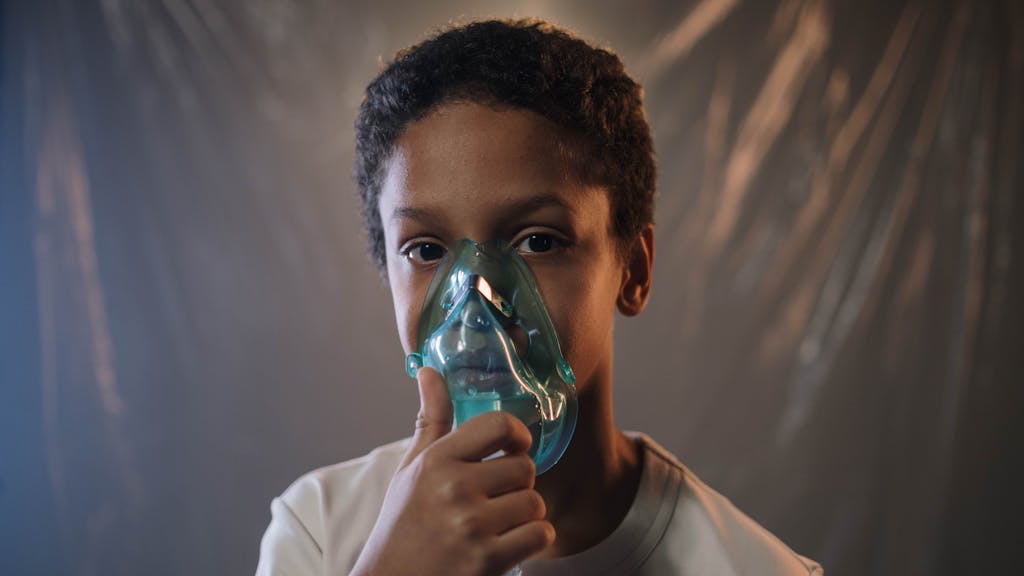
Best Practices for Managing Respiratory Diseases
Respiratory diseases, such as asthma, chronic obstructive pulmonary disease (COPD), and bronchitis, can make breathing difficult and affect daily life. Managing these conditions properly can improve your quality of life and reduce complications. Here are some best practices to help you take better care of your respiratory health.
Follow Your Doctor’s Advice
One of the most important steps in managing respiratory diseases is to follow your doctor’s treatment plan. This may include taking prescribed medications, using inhalers, or undergoing therapy. Regular check-ups ensure that your condition is monitored and treated effectively.
Avoid Triggers and Pollutants
Many respiratory diseases worsen when exposed to smoke, dust, pollen, or strong chemicals. Avoid smoking and secondhand smoke, and try to stay indoors on days with high pollution levels. Using an air purifier at home can also help reduce indoor pollutants.
Practice Good Hygiene
Infections can worsen respiratory diseases, so maintaining good hygiene is crucial. Wash your hands frequently, avoid close contact with sick people, and keep your living space clean. Getting vaccinated against flu and pneumonia can also help prevent complications.
Maintain a Healthy Diet
A balanced diet supports lung function and overall health. Eating foods rich in vitamins and antioxidants, such as fruits and vegetables, can help strengthen your immune system. Staying hydrated also helps keep your airways clear and reduces mucus buildup.
Exercise Regularly
Light to moderate exercise can improve lung capacity and make breathing easier. Activities like walking, yoga, and breathing exercises can strengthen respiratory muscles. However, consult your doctor before starting any exercise routine to ensure it is safe for your condition.
Use Breathing Techniques
Breathing exercises, such as pursed-lip breathing and diaphragmatic breathing, can help manage shortness of breath and improve lung function. Practicing these techniques regularly can make breathing more efficient and reduce stress on your lungs.
Manage Stress and Anxiety
Stress and anxiety can make breathing difficulties worse. Practicing relaxation techniques, such as meditation and deep breathing, can help keep your body calm and reduce strain on your respiratory system. Engaging in hobbies and getting enough rest also contribute to better health.
Managing respiratory diseases requires a combination of medical care and healthy lifestyle choices. By avoiding triggers, maintaining good hygiene, following a nutritious diet, and practicing breathing techniques, you can improve your lung health and overall well-being. Taking proactive steps will help you live more comfortably and reduce complications.